
26 August 2026 · TJ Smile Studio
96% Survival at 15 Years: Veneer Replacement in the UK
Learn when veneers need urgent replacement or a cosmetic remake, how clinicians preserve enamel using digital workflows, and why porcelain outlasts composite.
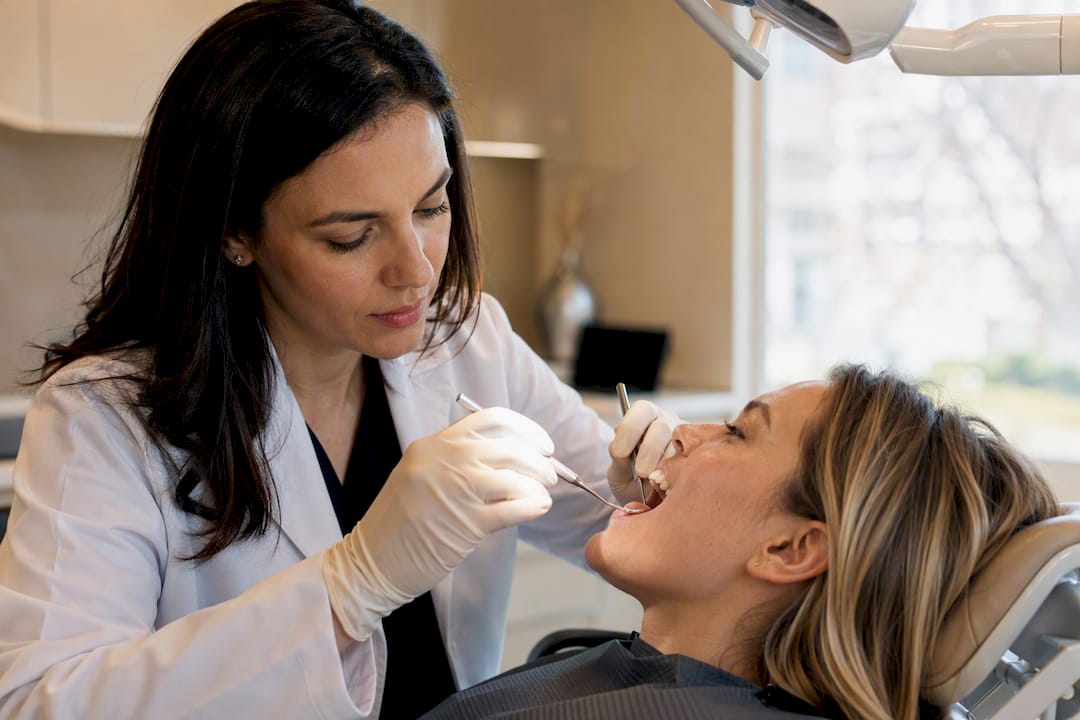
Yes. Most veneers can be replaced, and success usually comes down to three things: how much natural enamel remains, why the original veneer failed, and whether the underlying cause gets treated alongside it. Porcelain tends to last longest and holds up well to re-treatment; composite usually needs earlier, more frequent attention. Careful removal keeps replacement conservative rather than destructive.
TL;DR:
- Porcelain veneers typically last around 15 years with a survival rate of approximately 96%, but failure often results from fractures or marginal defects.
- Signs of veneer failure include marginal recession, looseness, chips, sensitivity, and gum inflammation, which require prompt assessment.
- Replacing veneers begins with diagnosis, including scans and analysis, with careful removal to preserve as much natural enamel as possible.
- Long-term success depends heavily on addressing underlying causes like grinding or decay rather than material choice alone.
- When too much enamel has been lost or the tooth is structurally compromised, a crown may be a better, more durable option.
Table of Contents
- Why veneers need replacing: clinical and aesthetic causes
- When to replace veneers: signs, timing and realistic lifespans
- How veneers are replaced: the clinical step-by-step process
- Timeline and appointments: how long replacement usually takes
- Cost, warranties and the NHS context
- Aftercare and steps to prolong veneer life
- When a crown or another restoration is the better choice
- About the author and TJ Smile Studio
- What patients get wrong about replacing veneers
- Ready to have your veneers assessed at TJ Smile Studio?
- Sources
Why veneers need replacing: clinical and aesthetic causes
Veneers fail for reasons that fall into two camps: what’s happening structurally and what’s happening cosmetically. Often both are at play at once.
On the clinical side, dentists most commonly see:
- Marginal leakage, where the bond between veneer and tooth breaks down at the edges
- Recurrent decay creeping in underneath the restoration
- Cement washout, which loosens the veneer even when the porcelain itself is fine
- Chips, cracks or outright fractures from biting force or trauma
- Gum recession that exposes the margin and makes the join visible
Aesthetically, composite veneers stain over time in a way porcelain rarely does, and colour mismatch develops as natural teeth shift shade while a veneer stays fixed. Some patients simply outgrow the look. A veneer fitted fifteen years ago in a boxy, opaque style often looks dated next to today’s more natural finishes.
Bruxism, or teeth grinding, accelerates almost all of the above. A veneer that should last a decade can fail in two or three years under sustained grinding forces, which is why treating the cause matters as much as replacing the porcelain.
When to replace veneers: signs, timing and realistic lifespans
Veneers rarely fail without warning. The signs are usually there weeks or months before a full crisis.
- Dark lines at the gum edge — often the first visible sign of margin breakdown or recession.
- Movement or looseness — even slight mobility means the bond has failed and needs urgent attention.
- Chips or rough edges — these trap food, irritate the tongue, and widen over time.
- New sensitivity — can signal decay or exposed dentine underneath.
- Gum inflammation around one tooth — suggests a poor margin fit rather than general gum disease.
- Colour drift or mismatch — cosmetic rather than urgent, but worth addressing before it becomes obvious.
Lifespan expectations differ meaningfully by material. Porcelain veneers bonded properly to enamel show a 15-year survival rate of roughly 96%, and separate ten-year clinical follow-up found only around 4% needed replacement at the ten-year mark, with porcelain fracture and marginal defects the main causes when replacement was needed. Composite veneers, by contrast, are more porous and prone to staining, so most patients are looking at touch-ups or full replacement well before that ten-year point.
Decay, loss of seal, or looseness are urgent. Colour mismatch or an outdated shape are elective, worth planning for rather than rushing into.
How veneers are replaced: the clinical step-by-step process
Replacement starts with diagnosis, not removal. A proper assessment includes a clinical exam, X-rays where decay is suspected, digital scans of the current bite, and an occlusal analysis to check whether grinding or an uneven bite contributed to the failure.
Removal itself is where technique matters most. Dentists working under magnification with controlled instruments aim to take off only the veneer, not additional tooth structure, and minimising further reduction during re-treatment is now considered standard good practice. If the existing veneer is intact and simply debonded, rebonding is sometimes possible. Fractured or badly worn veneers almost always need remaking rather than repair.
After removal, the dentist inspects the tooth underneath and decides between several paths:
- Remake the veneer in the same material
- Switch composite for porcelain, or vice versa
- Repair a localised chip without full replacement
- Treat gum recession or inflammation before recementing
- Recommend a crown if the tooth has lost too much structure
Pro Tip: Ask your dentist to show you the scan of your prepared tooth before the new veneer is made; seeing how much natural enamel remains helps explain treatment recommendations.
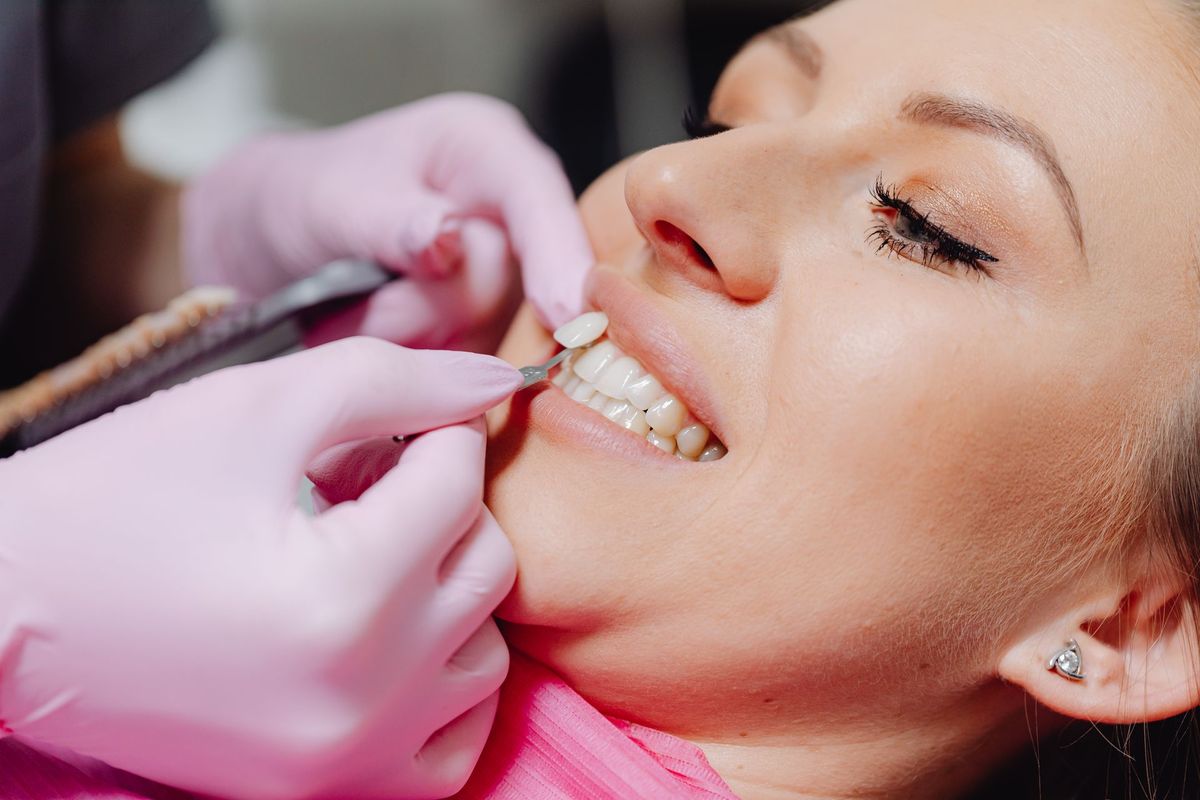
Temporary restorations bridge the gap while the permanent piece is made, whether in a dental lab or via a same-day digital workflow. Details on the veneer options available in Glasgow explain how this process runs in practice.
Timeline and appointments: how long replacement usually takes
Most veneer replacements occur over multiple visits across a few weeks, depending on workflow and materials used, though digital workflows can shorten that considerably.
- Visit one: assessment, scans, discussion of material choice and a written treatment plan.
- Visit two: removal of the old veneer, preparation, and either same-day fabrication or a temporary fitted while the lab makes the permanent piece (typically one to two weeks).
- Visit three: fitting and final adjustments, with a bite check before you leave.
Where a clinic uses same-day digital planning, visits two and three sometimes merge into one longer appointment. Expect mild sensitivity for a few days afterwards, and stick to softer foods and avoid staining drinks like red wine or coffee while any temporary restoration is in place.
Cost, warranties and the NHS context
Replacement cost depends on material, how many teeth are involved, how much preparatory work is needed (treating decay or gum issues before the new veneer goes on), and the lab and clinician fees behind the final piece. Composite tends to cost less per tooth than porcelain but may need replacing sooner, which changes the maths over several years.
On the NHS, porcelain veneers fitted as part of a course of treatment carry a 12-month guarantee from the practice, subject to exceptions such as new decay or trauma. Private treatment isn’t bound by that same NHS rule; it sits under your contract with the clinic and general consumer law instead.
Before committing, ask for:
- A written treatment plan itemising each stage
- Clear guarantee terms in writing, not just verbally
- Financing options if the total cost is significant
- An itemised quote showing material, lab and clinical fees separately
Aftercare and steps to prolong veneer life
Good aftercare is the difference between a veneer that lasts fifteen years and one that needs redoing at five.
Daily habits matter most: brush with proper technique, clean between teeth daily, and avoid habits like biting nails, chewing ice, or opening packets with your teeth. Composite veneers in particular benefit from limiting red wine, coffee, and curry, which stain the surface over time. A comparison of composite and porcelain veneers sets out which material suits a higher-risk lifestyle better.
Professionally, clinical guidelines recommend a six-monthly recall so small issues get caught before they become full failures. A patient-friendly guide to veneer longevity echoes the same point: regular check-ups catch marginal wear long before it’s visible to the patient.
Pro Tip: If you grind your teeth at night, a custom night guard is often cheaper over ten years than replacing veneers damaged by bruxism twice in that time.
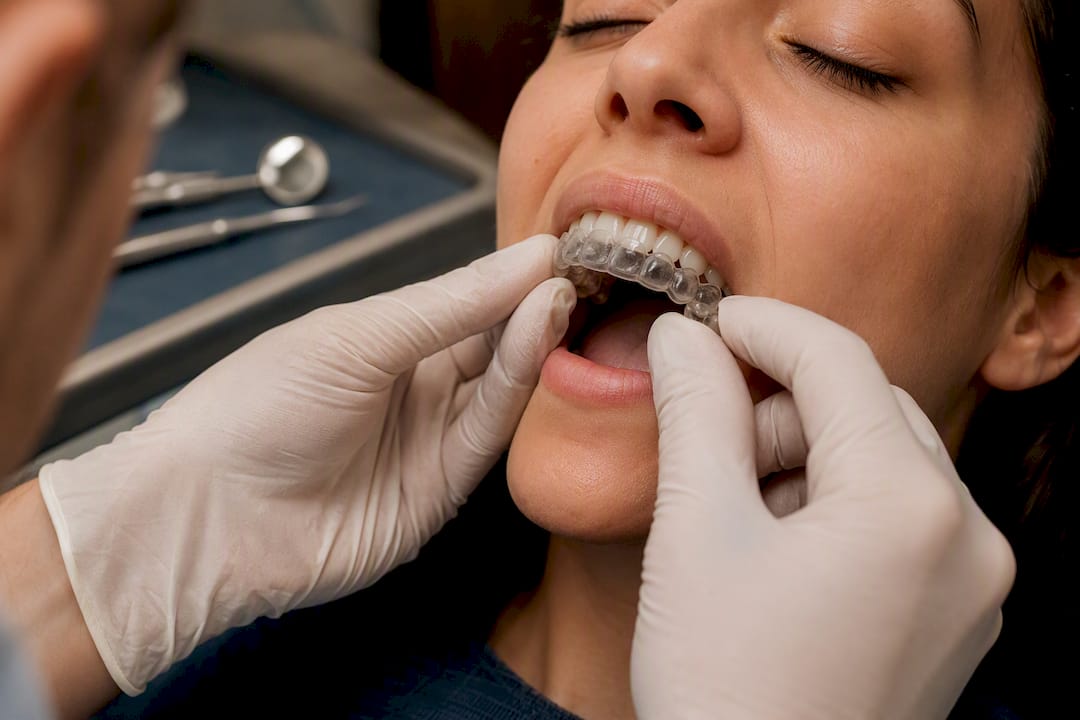
Where grinding is the root cause, an occlusal splint or bite adjustment addresses the mechanical problem, not just the cosmetic symptom.
When a crown or another restoration is the better choice
Veneers preserve tooth structure; crowns protect it. Once too much enamel has been lost, whether from repeated veneer preparation, decay, or a large existing filling, a crown becomes the more predictable long-term option because it wraps and supports the whole tooth rather than covering just the front surface.
Root-treated teeth, teeth that have fractured under a veneer more than once, or teeth with large old restorations underneath usually point towards a crown. The clinician assesses this by looking at remaining enamel, the size of any existing filling, and the tooth’s overall structural risk under normal biting forces.
The trade-off is straightforward: a veneer conserves more of the natural tooth but needs more from that tooth in return; a crown asks for slightly more initial reduction but offers stronger long-term protection where the tooth is already compromised.
About the author and TJ Smile Studio
This guide is written from the clinical perspective of Dr Tashfeen Jamil, BDS, MFDS RCS Ed, AssocFCGDent (GDC 286427). At TJ Smile Studio in Glasgow, personalised planning and Same-Day Hybrid Veneers, digital workflows, composite bonding and full mouth rehabilitation are built around preserving as much natural tooth structure as possible during replacement.
What patients get wrong about replacing veneers
The most common mistake I see isn’t choosing the wrong material. It’s treating veneer failure as a cosmetic problem when it’s usually a diagnostic one. A veneer that’s come loose, discoloured, or cracked is telling you something about the bite, the gum, or the tooth underneath it, not just about the porcelain or composite on the surface.
Conventional advice tends to jump straight to “which material lasts longer,” and porcelain’s survival figures are genuinely strong. But that misses the bigger point: a beautifully made porcelain veneer bonded onto a tooth with undiagnosed grinding forces will fail early regardless of the material. The research consistently points to bonding quality and cause management as the real variables, not brand of ceramic.
If you take one thing from this, prioritise finding out why your veneer failed before you agree to what replaces it. Ask your dentist directly whether they’ve assessed your bite and gum margins, not just the veneer itself. That conversation, more than any material choice, decides whether the replacement lasts five years or twenty.
— Dr Tashfeen Jamil BDS, MFDS RCS Ed, AssocFCGDent - GDC 286427
Ready to have your veneers assessed at TJ Smile Studio?
TJ Smile Studio approaches veneer replacement the way this guide recommends: diagnose the cause first, then plan the fix. Using digital scans and a fully digital workflow, many patients get their assessment, plan, and same-day fabrication options mapped out in a single visit, rather than juggling multiple lab-dependent appointments.
Bring any previous treatment records if you have them, and be ready to talk through your bite, any grinding habits, and what you’d change about your current smile. Your first visit typically includes a full clinical check, digital scans, and an honest conversation about whether repair, remake, or a crown fits your situation best, whether you’re looking at porcelain or composite veneers, a full Digital Smile Makeover, or composite bonding for a smaller fix.
Financing options are available for larger treatment plans, and you can browse real outcomes on the patient stories page before booking your consultation.
This article is general information, not a substitute for advice from a qualified doctor. Consult a qualified healthcare professional about your own circumstances before acting on anything here.
Sources
- PMC article on porcelain veneer longevity
- Prospective ten-year clinical trial of porcelain veneers
- NHSBSA FAQ on guaranteed treatments
- Prosthodontics clinical practice guidelines: lifelong care for restorations
Recommended
This article is general information, not personal dental advice. What’s right for your teeth depends on a clinical examination — the condition of your enamel, gums, bite and any existing dental work — and no article can assess that. Outcomes vary between patients, and all treatment at TJ Smile Studio is subject to assessment and clinical suitability.
- Dr Tashfeen Jamil BDS, MFDS RCS Ed, AssocFCGDent, PGDip Restorative and Aesthetic Dentistry — GDC registration 286427
This article is general information, not personal dental advice. What's right for your teeth depends on a clinical examination — the condition of your enamel, gums, bite and any existing dental work — and no article can assess that. Outcomes vary between patients, and all treatment at TJ Smile Studio is subject to assessment and clinical suitability.
Clinically reviewed by Dr Tashfeen Jamil BDS, MFDS RCS Ed, AssocFCGDent, PGDip Restorative and Aesthetic Dentistry — GDC registration 286427, Principal Dentist at TJ Smile Studio, 1 Spiersbridge Way, Thornliebank, Glasgow G46 8NG.
If you have dental pain, swelling or an injury, call the practice on 07728 808510. Out of hours in Scotland, call NHS 24 on 111.