
24 August 2026 · TJ Smile Studio
Can veneers be removed, and what happens to your teeth after?
Discover if veneers can be removed and what it means for your teeth. Learn about the implications based on different materials.
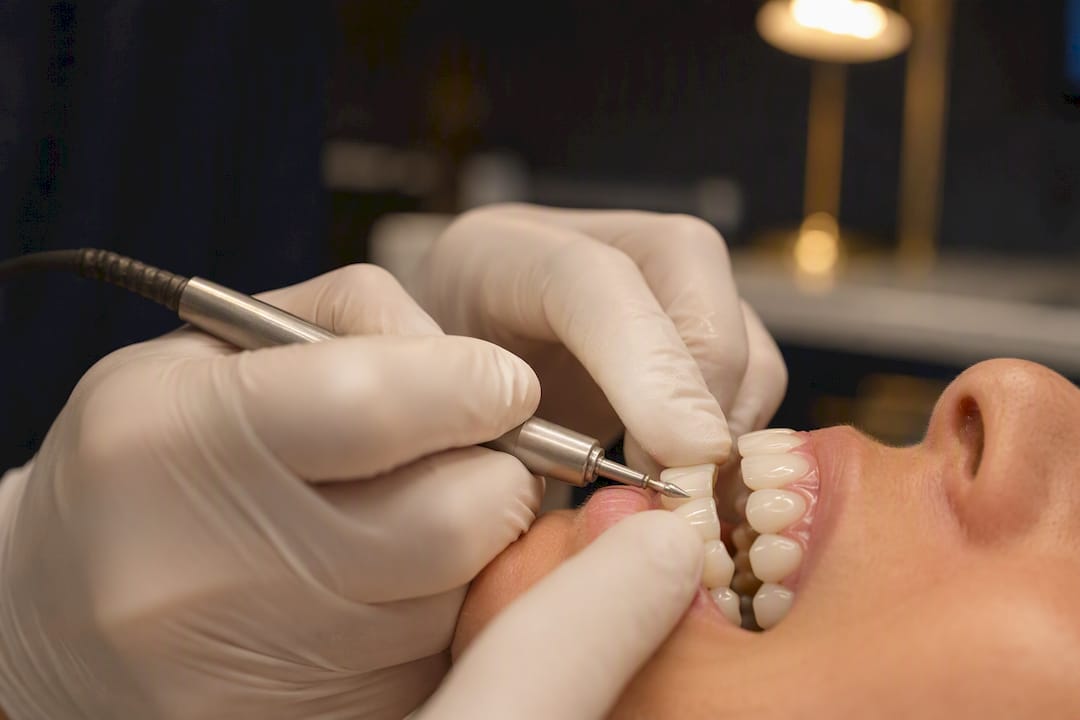
Veneers can be removed, but what comes next depends entirely on what they’re made of. Porcelain veneers usually require enamel reduction at the fitting stage, so removal exposes prepared teeth that almost always need a replacement restoration. Composite or no-prep veneers are sometimes removable with far less consequence. Either way, removal should only ever be carried out by a qualified dentist using conservative, enamel-sparing techniques.
TL;DR:
- Removing porcelain veneers typically results in irreversible enamel loss, which can lead to increased sensitivity, uneven color, and a rougher tooth surface.
- The ease of removal and potential impact depend heavily on how much enamel was reduced initially and how the veneer was bonded.
- Laser removal techniques show promise for conservative extraction but require precise control and are operator-dependent.
- After removal, teeth often need restoration options like new veneers or crowns, with costs and longevity varying based on the material used.
- Choosing a skilled, properly credentialed dentist with digital planning tools reduces risks and ensures a conservative, predictable removal process.
Table of Contents
- Veneers removal: how material and preparation decide reversibility
- What techniques do dentists use to remove veneers?
- What happens to your teeth after veneer removal?
- What are your options for replacing removed veneers?
- How do you choose the right dentist for veneer removal?
- Who’s behind this guide to veneer removal?
- When does veneer removal actually make sense?
- Considering veneer removal or replacement in Glasgow?
- Where this guide’s clinical evidence comes from
- Sources
Veneers removal: how material and preparation decide reversibility
Whether veneer removal leaves you with a clean slate or a tooth that needs immediate cover depends on two things: what the veneer is made of, and how much enamel was taken off when it was first fitted.
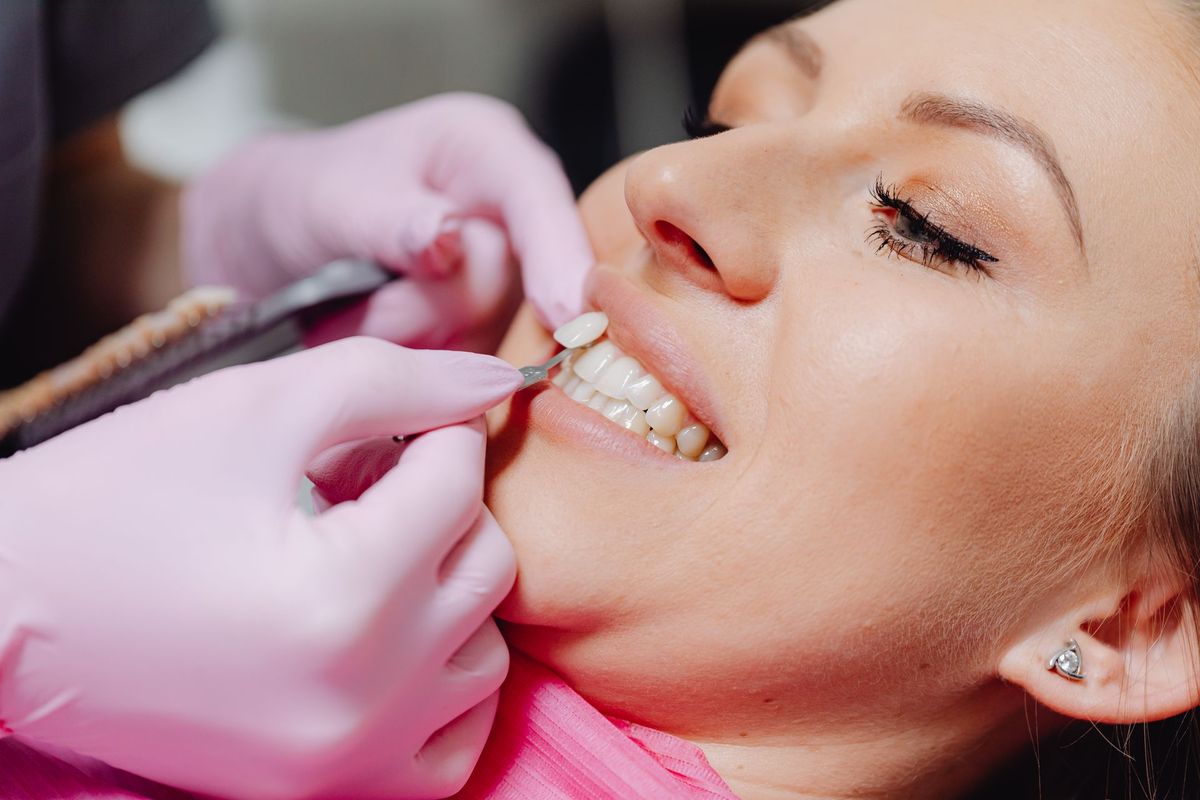
Porcelain veneers are the least forgiving of the three. Fitting one typically means reducing the front surface of the tooth by around 0.3 to 0.7mm, enough to accommodate the ceramic shell without making the tooth look bulky. Once that enamel is gone, it doesn’t grow back. That’s why porcelain veneers are described as effectively permanent: you can take one off, but the tooth underneath is no longer in its original, unprepared state.
Composite veneers sit in different territory. Because they’re built up directly on the tooth with a resin material rather than bonded as a pre-made shell, dentists often prepare the tooth far more conservatively, sometimes barely touching the enamel at all. That means composite (and true no-prep) veneers can sometimes be polished or abraded away with comparatively little impact on the tooth beneath, which is one reason composite veneers are often suggested as a lower-commitment starting point for patients who aren’t certain porcelain is the right long-term choice.
A few factors decide how much room you actually have to manoeuvre:
- How deep the original preparation went. A veneer fitted conservatively leaves more of your natural tooth intact.
- The quality of the initial bonding. Poorly executed cement work can make removal harder and riskier, not easier.
- How long the veneer has been in place. Ageing composite can be brittle and unpredictable to remove.
- Whether the tooth was already compromised before the veneer went on, which limits what’s achievable afterwards.
Removing any veneer, porcelain or composite, tends to leave the tooth looking duller and feeling more sensitive than you’d expect, simply because the smooth, polished veneer surface is gone and the prepared enamel underneath is exposed to air and temperature for the first time in years.
What techniques do dentists use to remove veneers?
Removal isn’t a case of prising a shell off with a dental tool. It’s a controlled process, and the method a dentist chooses depends on the veneer’s material, its age, and how accessible the margins are.
Fine diamond-bur sectioning is the most common approach for porcelain. The dentist sections the veneer into pieces using a small, high-speed diamond bur under water cooling, then carefully removes the cement layer without cutting into the tooth structure beneath. It’s slow, deliberate work, and rushing it is exactly how enamel gets nicked.
Ultrasonic debonding uses vibrating instruments to weaken the cement bond mechanically, which can reduce the amount of cutting needed, particularly on composite veneers where the bond is chemically different from porcelain cement.
Er:YAG laser debonding is the newer option, and the evidence behind it is genuinely interesting. A 2025 review in Biomimetics describes case reports where laser ablation removed composite veneers with minimal enamel damage, in some cases preserving soft tissue and cutting procedure time compared with mechanical removal alone. It also left behind microretentive enamel surfaces, similar to acid-etched enamel, which supported strong rebonding when a new restoration went on afterwards. The caveat matters: laser settings, pulse energy and water cooling all need to be tightly controlled, because incorrect settings risk thermal damage rather than clean ablation. This is an operator-skill procedure, not a shortcut.
- Diamond-bur sectioning: standard for porcelain, most predictable in experienced hands.
- Ultrasonic debonding: useful adjunct, particularly for composite.
- Er:YAG laser: conservative option with promising early evidence, but only as good as the clinician using it.
Magnification (loupes or a dental microscope) and digital treatment planning both reduce the margin for error significantly, because the dentist can see exactly where the cement layer ends and the natural tooth begins.
Pro Tip: Ask your dentist directly which removal method they’d use on your specific veneers and why. A confident, specific answer, rather than a vague “we’ll just take them off”, is usually a good sign of how carefully the case has been planned.
What happens to your teeth after veneer removal?
The enamel lost during the original preparation for porcelain veneers doesn’t come back. That’s a permanent, one-way change to the tooth surface, and dental physiology doesn’t allow for regeneration of enamel once it’s gone. What you’re managing afterwards is protection and comfort, not reversal.
Three things tend to happen immediately after removal:
- Sensitivity spikes, often to cold, sweet foods, or even air, because the protective veneer surface is gone and the prepared enamel or dentine is freshly exposed.
- Colour looks uneven, since the prepared tooth surface underneath rarely matches the shade of the veneer it was hiding.
- The tooth feels different to the tongue, rougher or thinner than the smooth, polished veneer surface you’d got used to.
Careless removal carries real risk. Microcracks, small chips at the incisal edge, and irritated gum margins are the most common complications when a technique is rushed or the wrong tool is used for the material. In rarer cases, aggressive removal close to the nerve can cause pulp irritation, which is one reason experienced clinicians work slowly and check margins repeatedly rather than racing to get the veneer off.
Managing the aftermath usually involves a desensitising toothpaste containing potassium nitrate or stannous fluoride, a topical fluoride varnish applied in the clinic, and a short-term dietary tweak away from very hot, cold, or acidic foods while the tooth settles. Over-the-counter analgesia covers any discomfort in the first day or two. A follow-up appointment within one to two weeks lets the dentist check the margins and confirm sensitivity is settling as expected.

Contact your dentist promptly if pain persists beyond a few days, if you notice a loose or rough margin where the veneer used to sit, or if you see swelling or discharge, which can signal infection rather than ordinary post-removal sensitivity.
What are your options for replacing removed veneers?
Once a veneer is off, the tooth beneath almost always needs some form of restoration, particularly if it was porcelain. Leaving prepared enamel permanently uncovered isn’t usually recommended, both for aesthetics and because thinned enamel is more vulnerable to wear and staining.
- New porcelain veneers typically last several years with good care and usually take two to three visits: assessment, preparation and temporaries, then fitting.
- Crowns become the more realistic option when the original preparation removed more than roughly 0.5mm of enamel, since there may not be enough tooth structure left to support a thin veneer shell reliably.
- Temporary veneers bridge the gap while a definitive plan is designed, protecting the exposed tooth and buying time for a digital mock-up to be agreed.
Costs vary considerably depending on the route chosen and how many teeth are involved, so treat any figure you see online as indicative rather than a quote. Composite routes tend to sit at the lower end of the price spectrum, while premium porcelain replacements cost more, reflecting the lab work and number of appointments involved. Ask for a written treatment plan with a firm cost before committing, rather than relying on a verbal estimate.
How do you choose the right dentist for veneer removal?
The clinician matters more than the technique. A skilled dentist using a bur can outperform an inexperienced one using a laser, so credentials and approach are worth checking before you book anything.
- Confirm GDC registration. Every practising dentist in the UK must be registered with the General Dental Council, and you can check this yourself in seconds on their website.
- Look for postgraduate cosmetic training or a visible case portfolio. Removal and replacement is a different skill set from general dentistry, and a dentist who does this regularly should be able to show you examples.
- Ask what magnification and planning tools they use. Loupes, a microscope, or digital smile mock-ups all point to a more careful, considered approach.
- Ask specific questions: how much enamel is likely to remain, what the replacement plan looks like, and what the realistic risks are for your particular case.
Be wary of anyone who describes veneers as something that can simply be “popped off” without a plan, or who pushes you toward booking before discussing what a genuinely conservative approach would involve. Pressure to decide quickly, with no digital planning and no discussion of what happens to the tooth afterwards, is a red flag worth walking away from.
Who’s behind this guide to veneer removal?
This guide draws on the clinical approach used at TJ Smile Studio in Glasgow, led by Dr Tashfeen Jamil BDS, MFDS RCS Ed, AssocFCGDent (GDC 286427). The clinic’s same-day hybrid veneers and fully digital workflow are built around conservative preparation, digital mock-ups, and staged temporaries wherever removal or replacement is needed, prioritising enamel preservation at every stage.
When does veneer removal actually make sense?
Removal is worth pursuing when a veneer is failing, damaged, or no longer suits you, but it should wait until any gum disease is treated first. Set realistic expectations early. Most cases end in a good, predictable outcome.
— Dr Tashfeen Jamil BDS, MFDS RCS Ed, AssocFCGDent - GDC 286427
Considering veneer removal or replacement in Glasgow?
If you’re weighing up whether to have veneers removed, the biggest advantage of working with a clinic that plans everything digitally is that you see the likely outcome before any drilling starts, rather than hoping for the best. TJ Smile Studio offers a full assessment and digital smile mock-up so you know exactly what your teeth will look like after removal and what your replacement options are, before committing to treatment.
Where removal is appropriate, the clinic uses conservative, enamel-sparing techniques and can move straight into temporaries or same-day options depending on your case, with finance available for larger treatment plans. Book a consultation through the veneers page to get a clear, personalised plan for your teeth, or browse the full range of treatments if you’re still deciding what’s right for you.
Where this guide’s clinical evidence comes from
- Laser-assisted debonding evidence: Biomimetics (2025) on conservative Er:YAG removal.
- Preparation and reversibility guidance: DentaQuest on conservative planning.
- Professional standards: General Dental Council for verifying clinician registration.
This article is general information, not a substitute for advice from a qualified doctor. Consult a qualified healthcare professional about your own circumstances before acting on anything here.
Sources
- Er:YAG laser-assisted removal of composite resin veneers and conservative replacement — Biomimetics (2025)
- Can you remove veneers? | DentaQuest
- General Dental Council (GDC)
Recommended
This article is general information, not personal dental advice. What’s right for your teeth depends on a clinical examination — the condition of your enamel, gums, bite and any existing dental work — and no article can assess that. Outcomes vary between patients, and all treatment at TJ Smile Studio is subject to assessment and clinical suitability.
- Dr Tashfeen Jamil BDS, MFDS RCS Ed, AssocFCGDent, PGDip Restorative and Aesthetic Dentistry — GDC registration 286427
This article is general information, not personal dental advice. What's right for your teeth depends on a clinical examination — the condition of your enamel, gums, bite and any existing dental work — and no article can assess that. Outcomes vary between patients, and all treatment at TJ Smile Studio is subject to assessment and clinical suitability.
Clinically reviewed by Dr Tashfeen Jamil BDS, MFDS RCS Ed, AssocFCGDent, PGDip Restorative and Aesthetic Dentistry — GDC registration 286427, Principal Dentist at TJ Smile Studio, 1 Spiersbridge Way, Thornliebank, Glasgow G46 8NG.
If you have dental pain, swelling or an injury, call the practice on 07728 808510. Out of hours in Scotland, call NHS 24 on 111.